Most PCB board replacement jobs fall between £80 and £600, depending on the device and complexity.
The cost of PCB Board replacement
This is one of the most common questions asked when dealing with faulty electronics. A printed circuit board (PCB) controls how devices function, and when it fails, repair or replacement costs can vary significantly depending on the situation. Many people ask, “how much does it cost to replace a pcb board?” because prices differ by device and fault.
In many cases, understanding real-world repair costs, the cost of PCB board replacement, and technician pricing insights can help you decide whether to fix or replace your device.
What Is a PCB Board?
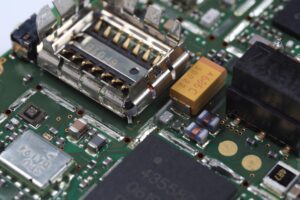
A PCB (printed circuit board), often called a PCB board, is a flat board that connects electronic components using conductive pathways. It acts as the “brain” of many devices, including:
- Washing machines
- Boilers
- TVs
- Laptops
- Industrial equipment
If you want a deeper understanding, you can explore how modern PCB manufacturing and design processes influence durability and cost.
Typical PCB Replacement Cost
The cost to replace a PCB board varies depending on the device and complexity. In other words, the cost of PCB board replacement can be higher for complex or custom systems.
Device Type
Average Cost (UK)
Household appliances
£80 — £250
TVs & electronics
£100 — £400
Boilers
£150 — £600
Industrial machines
£300 — £1,500+
💡 Labour costs typically add £50–£150, similar to other electrical repair jobs such as consumer unit or fuse box replacements.
Factors That Affect PCB Replacement Cost
Type of Device
Basic appliances are cheaper to fix, while complex systems like boilers cost more.
PCB Complexity
Multi-layer boards or custom-built PCBs increase the overall cost.
Availability of Parts
Older or rare PCBs may be harder to source, increasing expenses.
Labour Charges
Costs vary depending on technician expertise and repair difficulty.
Repair vs Replacement
Looking at DIY repair experiences and technician discussions can help you decide which option, PCB board repair or replacement, is more cost-effective.
Repair vs Replacement: Which Is Better?
When deciding between PCB board repair and replacement, the best option depends on the extent of the damage and your long-term needs. PCB board repair is often the more affordable choice, typically costing between £40 and £150, making it ideal for minor faults or budget-conscious situations. However, repairs may only provide a temporary solution if underlying issues remain. On the other hand, PCB board replacement offers a more reliable and long-term fix, ensuring the device operates like new again. The downside is the higher upfront cost, which can be significant depending on the equipment. In general, if the damage is minor, repair is a practical short-term solution, but for severe faults or recurring issues, replacement is usually the better investment.
Many homeowners consider repair first after reviewing real user repair cases and troubleshooting discussions.
If the PCB is severely damaged, replacement is usually unavoidable.
Common Signs Your PCB Needs Replacing
- Device not powering on
- Burning smell or visible damage
- Intermittent faults
- Error codes on appliances
How to Save Money on PCB Replacement
- Compare multiple repair quotes
- Consider PCB board repair before replacement
- Look into refurbished or recycled parts
- Check warranty or insurance coverage
Expert Tip
If the PCB replacement cost exceeds 50% of the device’s value, replacing the entire appliance is often the smarter financial decision.
Most replacements fall between £80 and £600, depending on the device and complexity.
By understanding cost factors and exploring both repair and replacement options, you can make a more informed and cost-effective decision.