Key Takeaways...
- The UK generates around 1.6 million tonnes of electronic waste each year, making e-waste one of the fastest-growing waste streams in the country.
- Common electronic devices such as mobile phones, laptops, tablets, and household appliances contribute heavily to rising waste levels due to frequent upgrades and shorter product lifespans.
- Electronic waste contains hazardous materials that can damage the environment if disposed of incorrectly, but it also includes valuable resources such as gold, silver, copper, and aluminum that can be recovered through recycling.
- Proper electronic waste recycling improves waste recycling rates, reduces landfill pollution, lowers carbon emissions, and supports sustainable waste management across the UK.
- WEEE regulations help ensure waste electrical and electronic equipment WEEE is collected, processed, and recycled safely through authorised recycling centres and approved disposal services.
The UK generates around 1.6 million tonnes of electronic waste each year, underscoring that electronic waste in the UK is one of the fastest-growing waste streams in the country. Discarded electronic devices such as mobile phones, televisions, tablets, laptops, kitchen appliances, and batteries contribute to a rapidly increasing waste problem that affects both the environment and the economy.
Electronic waste—waste electrical and electronic equipment (WEEE)—includes any item that uses electricity, batteries, or plugs to operate. As technology advances and consumers replace products more frequently, the amount of waste produced across the UK continues to rise.
According to global e-waste reports, the UK ranks among the highest producers of e-waste per person in Europe, reflecting the scale of e-waste in UK. Shorter product lifecycles, increased demand for smart technology, and the growth of remote working have all contributed to the rising volume of waste in the UK.
UK E-Waste Facts and Statistics
The amount of electronic waste generated annually continues to grow due to changing consumer habits and rapid technological development. Many households replace electronic devices before they stop working completely, especially smartphones, tablets, and entertainment systems.
Several factors are increasing electronic waste levels in Britain:
Frequent upgrades to mobile phones
Smart home technology expansion
Cheap disposable electronics
Limited repair options
Increased online shopping
Remote working equipment demand
This growing solid waste stream places pressure on recycling centres and national waste management infrastructure.
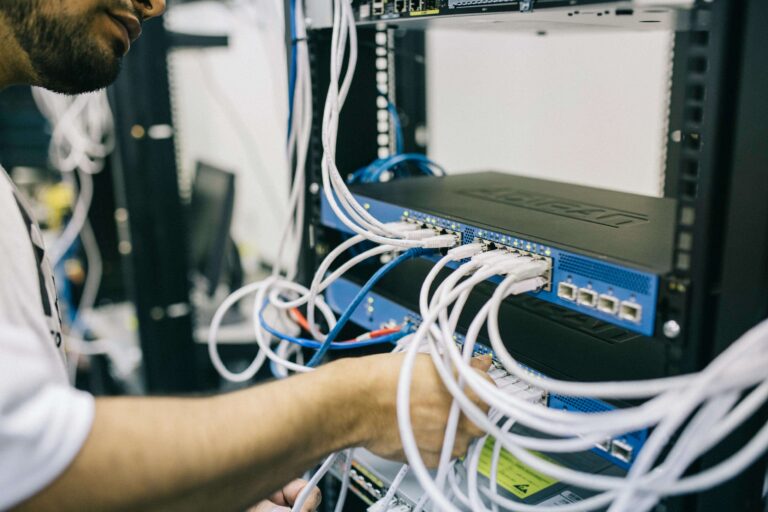
The UK also produces large volumes of commercial electronic waste from offices, schools, healthcare facilities, and industrial sectors. Businesses regularly dispose of outdated computers, printers, monitors, and networking equipment as systems become obsolete.
Why Electronic Waste Is a Growing Problem
Electronic waste creates environmental risks when it is not disposed of properly. Many products contain toxic substances that can leak into soil and waterways if sent to a landfill.
Hazardous materials commonly found in electronic devices include:
Mercury
Lead
Cadmium
Lithium
Brominated flame retardants
Improper disposal can damage ecosystems and contribute to long-term pollution problems.
At the same time, electronics contain valuable recyclable materials. Gold, silver, copper, aluminum, and rare earth metals can all be recovered through specialist recycling processes. Responsible electronic waste recycling helps conserve natural resources while reducing the need for environmentally damaging mining operations.
What Happens During E-Waste Recycling?
Electronic waste recycling involves the collection, dismantling, sorting, and processing of discarded electrical equipment.
Items are first separated into categories such as large appliances, IT equipment, batteries, and small electronics. Hazardous components are removed safely before valuable materials are extracted for reuse.
Modern recycling facilities can recover:
Precious metals
Copper wiring
Aluminum components
Plastics
Glass materials
Many devices are also refurbished and reused rather than destroyed. Extending the lifespan of products reduces waste each year and supports a more sustainable circular economy.
Proper electrical waste disposal also lowers greenhouse gas emissions because fewer raw materials are needed to manufacture new products.
The Environmental Impact of E-Waste
The environmental impact of e-waste extends beyond landfill pollution. Manufacturing electronic devices requires significant energy consumption and resource extraction.
Mining metals for smartphones, laptops, and batteries contributes to:
Habitat destruction
Water contamination
Air pollution
Increased carbon emissions
When consumers replace devices too frequently, the environmental cost of manufacturing rises significantly.
Recycling electronics correctly helps reduce the environmental footprint of technology by recovering materials that can be reused in future production. Addressing e-waste in UK homes and businesses is therefore essential to cut resource use and emissions.
WEEE Regulations in the UK
The UK manages electronic waste through regulations covering waste electrical and electronic equipment (WEEE). These laws require manufacturers, retailers, and recycling companies to support proper collection and recycling systems.
Retailers selling electrical products often provide take-back schemes that allow customers to recycle unwanted items responsibly.
Local authorities also operate recycling centres that accept:
Mobile phones
Laptops
Batteries
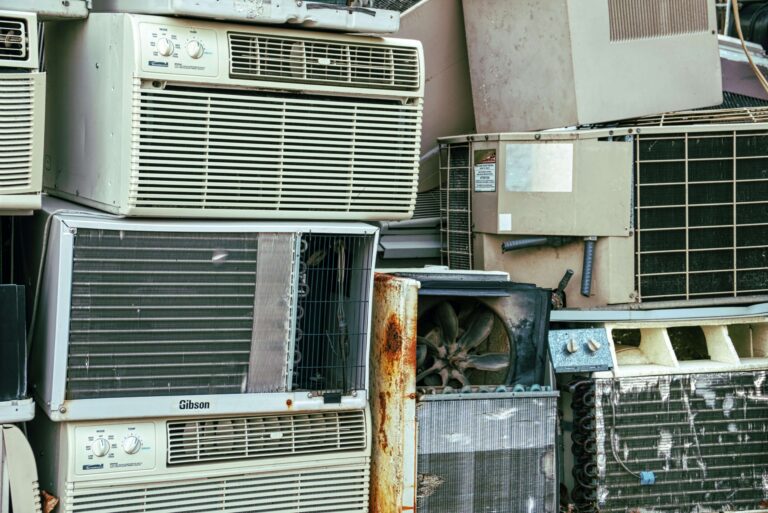
Household appliances
Chargers and cables
Television equipment
These programmes improve waste recycling rates while reducing the amount of electronic waste in the UK sent to landfill sites.
How to Reduce Electronic Waste at Home
Reducing household e-waste starts with using electronics for longer periods whenever possible.
Simple ways to lower waste produced include:
Repairing damaged devices
Replacing batteries instead of entire products
Donating working electronics
Buying durable technology
Recycling through authorised facilities
Consumers should avoid placing electronic devices in general waste bins because hazardous materials require specialist handling.
Choosing sustainable recycling solutions through trusted WEEE recycling UK services supports safer waste management practices and improves recycling efficiency nationwide.
The Future of E-Waste Management
The UK continues investing in recycling infrastructure and circular economy initiatives to manage increasing global e-waste levels. Manufacturers are also designing products with improved repairability and recyclable materials to reduce long-term environmental impact.
Public awareness campaigns are encouraging consumers to recycle electronics correctly and reduce unnecessary waste. As sustainability becomes a larger priority, electronic waste management will remain essential for protecting natural resources and reducing pollution.
How much e-waste does the UK produce each year?
The UK produces around 1.6 million tonnes of electronic waste each year—so if you’re asking “how much e-waste does the uk produce each year?”, that’s the current estimate. Electronic waste includes discarded mobile phones, laptops, televisions, batteries, and household appliances. E-waste is one of the fastest-growing waste streams in the UK due to rapid technology upgrades, shorter product lifecycles, and increasing use of electronic devices.
Conclusion
The UK generates approximately 1.6 million tonnes of e-waste every year, making electronic waste one of the fastest-growing solid waste streams in the country. Rising demand for electronic devices, increased consumer upgrades, and shorter product lifespans continue to increase waste levels across homes and businesses.
Proper recycling plays a vital role in reducing landfill pollution, improving waste recycling rates, and recovering valuable materials such as gold, silver, and copper. By supporting responsible waste management and recycling practices, the UK can reduce the environmental impact of electronic waste while conserving important natural resources for the future.