What is IT Decommissioning?

Key Takeaways...

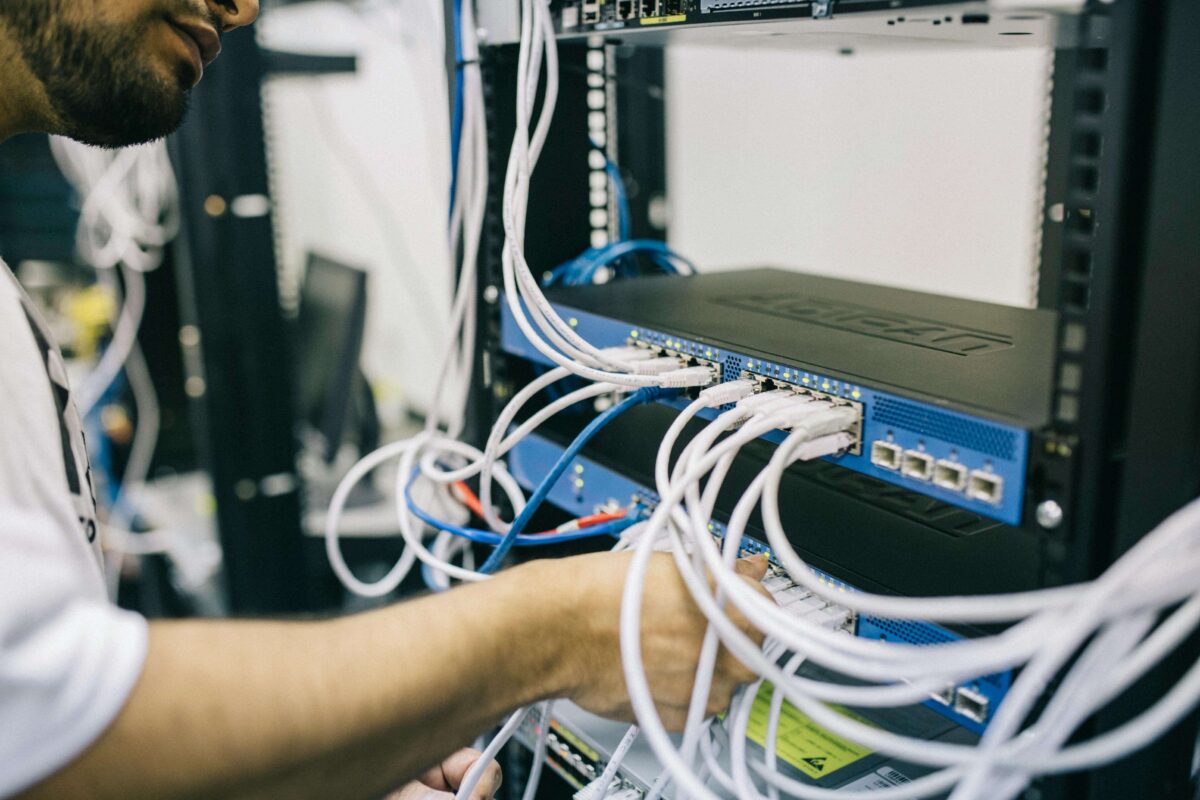
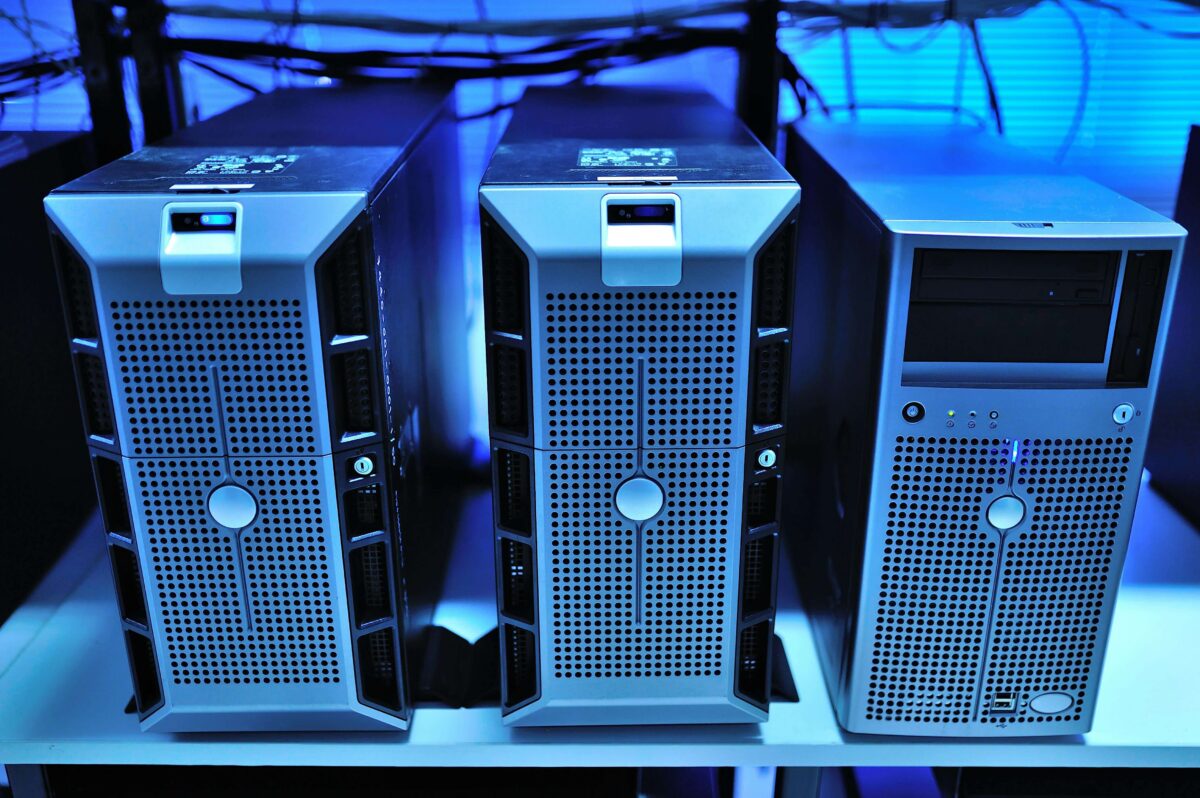
IT decommissioning is the secure process of retiring outdated IT systems, servers, networking equipment, storage devices, and digital infrastructure. The decommissioning process involves:

  • disconnecting systems,

  • removing hardware,

  • destroying sensitive data,

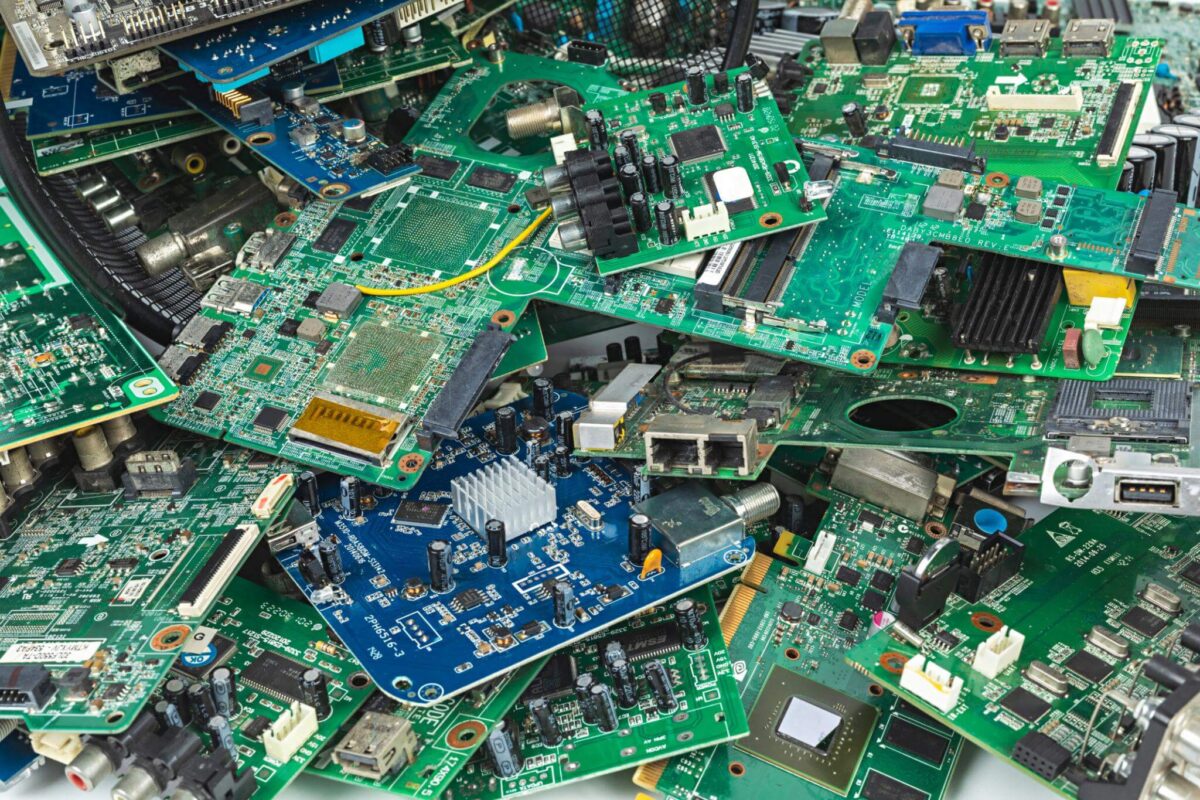
  • and ensuring assets are recycled, reused, or disposed of according to regulatory requirements.

Businesses carry out IT decommissioning during:

  • cloud migrations,

  • office relocations,

  • infrastructure upgrades,

  • mergers,

  • and permanent shutdown projects.

Proper decommissioning activities reduce cybersecurity risks, protect confidential business information, and support safety and environmental standards.

Without a structured decommissioning strategy, organisations may expose sensitive data, fail compliance audits, or create unnecessary environmental risks through improper disposal of hazardous materials.

IT decommissioning helps businesses securely retire old technology, protect sensitive data, reduce operational risks, and comply with environmental and data protection regulations. A professional decommissioning process ensures equipment is safely removed, securely destroyed, and responsibly recycled.

Why IT Decommissioning Is Important

Old IT systems often contain confidential information even after they stop being used. Servers, laptops, storage arrays, backup devices, and networking equipment may still hold:

  • customer records,

  • employee information,

  • financial documents,

  • and login credentials.

Secure IT decommissioning prevents unauthorised access to this data through administrative and technical controls designed to eliminate security vulnerabilities during equipment removal.

Businesses also benefit from improved operational efficiency. Removing outdated infrastructure frees up physical space, lowers maintenance costs, and supports a more cost-effective IT environment.

For industries such as healthcare, finance, manufacturing, and research, following regulatory controls is essential. Businesses must meet strict regulatory requirements relating to data security, waste disposal, and environmental responsibility.

A detailed risk assessment helps organisations identify operational, environmental, and security threats before decommissioning activities begin.

Understanding the IT Decommissioning Process

  1. The IT decommissioning process begins with a complete inventory of all equipment scheduled for retirement. Businesses identify servers, desktop computers, storage devices, cables, networking hardware, and other parts of the facility that require removal.

  2. Once assets are identified, critical data is backed up or migrated to replacement systems. This step minimises downtime and ensures business continuity throughout site decommissioning projects.

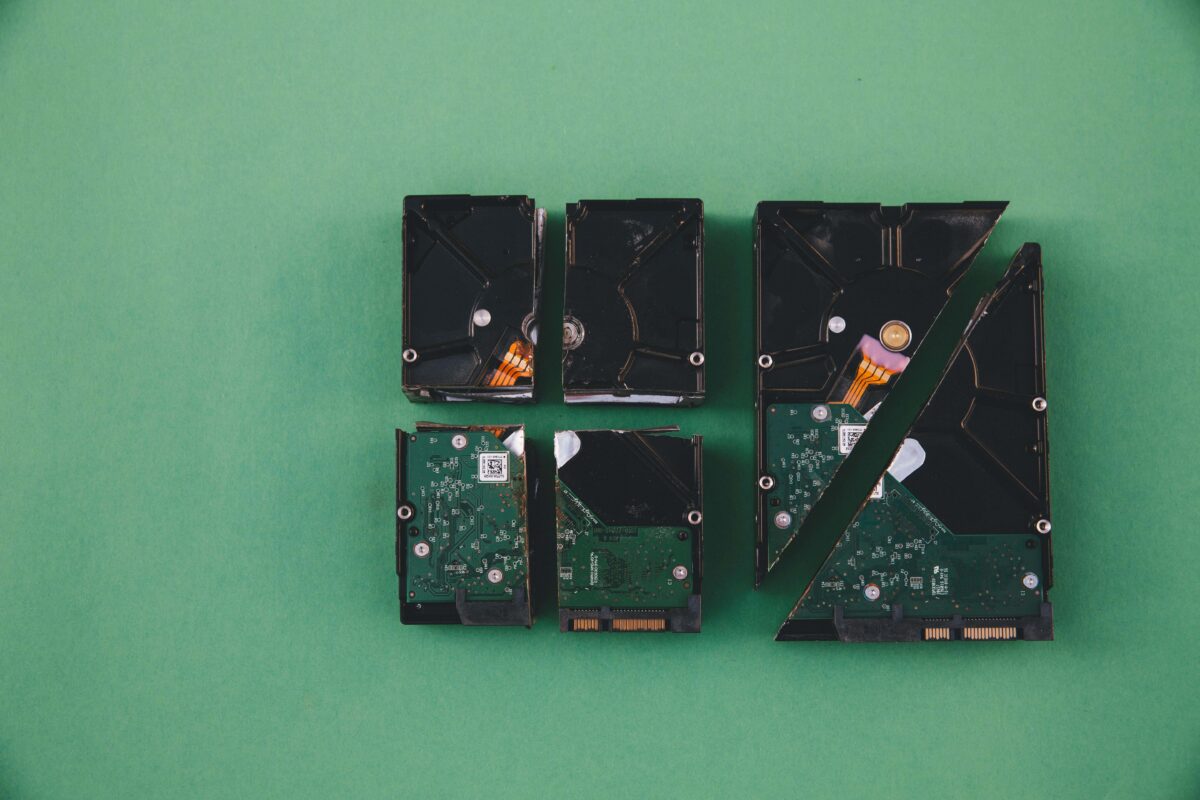
  3. The next stage involves secure data destruction. Certified specialists permanently erase or destroy storage devices using methods such as hard drive shredding, degaussing, and data wiping.

  4. After data destruction, technicians disconnect and remove equipment safely. Devices are inspected to determine whether they can be recycled, reused, or disposed of responsibly through approved waste management channels.

  5. Professional providers then supply audit reports and destruction certificates to confirm that the decommissioning process has been completed according to security and environmental standards.

Secure Data Destruction and Compliance

Data destruction is one of the most important elements of IT decommissioning. Businesses that fail to remove sensitive information correctly may face serious legal, financial, and reputational consequences.

A secure decommissioning strategy includes:

  • encrypted data handling,

  • controlled transportation,

  • and documented destruction procedures.

These administrative and technical safeguards help businesses maintain compliance with GDPR and industry regulations.

Guidance from the Information Commissioner’s Office (ICO) explains how organisations should manage personal and confidential data securely during disposal.

Businesses handling highly sensitive information should also maintain a secure chain of custody during all decommissioning activities.

Site Decommissioning and Data Centre Closures

Large-scale site decommissioning projects often involve the removal of entire IT environments. Data centres, office buildings, and industrial facilities may require the coordinated removal of servers, storage systems, cooling infrastructure, and backup power equipment.

A successful decommissioning strategy focuses on operational continuity, security, and environmental compliance. Every stage must be carefully planned to avoid service disruption and minimise risk.

Businesses undergoing permanent shutdown or relocation projects must also evaluate safety and environmental responsibilities before equipment removal begins.

Effective planning ensures all parts of the facility are assessed properly while maintaining compliance with regulatory requirements.

Safety and Environmental Responsibilities

Responsible IT disposal plays a major role in protecting the public and the environment. Many electronic devices contain hazardous materials such as:

  • lead,

  • mercury,

  • lithium batteries,

  • and chemical components that require specialist handling.

Improper disposal may contaminate landfills, damage ecosystems, and create health risks for local communities.

Businesses involved in scientific research, healthcare, or industrial operations may also manage equipment associated with radioactive material, radioactive substances, or radioactive waste. In these situations, additional regulatory controls and safety procedures are required during long-term decommissioning projects.

Professional decommissioning providers help organisations manage safety and environmental risks while ensuring materials are handled according to legal standards.

Businesses can also support sustainability goals by ensuring valuable materials are recovered and reused wherever possible.

Benefits of Professional IT Decommissioning

Professional IT decommissioning offers several long-term advantages for organisations of all sizes.

Improved Data Security

Secure destruction methods prevent sensitive information from being recovered or exposed.

Regulatory Compliance

Businesses can meet GDPR, WEEE, and industry-specific regulatory requirements more effectively.

Environmental Protection

Proper disposal methods reduce landfill waste and support environmentally responsible recycling practices.

Reduced Operational Costs

Removing outdated systems creates a more cost-effective IT infrastructure and lowers maintenance expenses.

Better Risk Management

Comprehensive planning and documented procedures reduce operational, environmental, and security risks.

How to Choose the Right IT Decommissioning Provider

Selecting an experienced provider is essential for a secure and compliant project. Businesses should look for companies that offer:

  • certified data destruction,

  • detailed reporting,

  • environmental compliance,

  • and secure logistics.

Providers should also understand risk assessment procedures, regulatory controls, and long-term infrastructure management requirements.

A reliable decommissioning partner helps businesses complete projects efficiently while protecting sensitive data and supporting environmental sustainability.

What Is IT Decommissioning?

IT decommissioning is the secure process of retiring outdated IT systems and equipment. It includes data destruction, hardware removal, recycling, and compliance management to protect sensitive information and support environmental regulations.

Common queries such as “what is IT decommissioning?” or simply “IT decommissioning?” are addressed here, along with a straightforward overview of the IT decommissioning process.

Conclusion

IT decommissioning is an essential process for businesses retiring outdated technology or upgrading infrastructure. From secure data destruction to responsible recycling, every stage of the decommissioning process supports cybersecurity, compliance, and environmental protection.

By implementing a structured decommissioning strategy, organisations can reduce operational risks, manage hazardous materials safely, and ensure equipment is recycled, reused, or disposed of correctly. Professional decommissioning services also help businesses remain compliant, efficient, and environmentally responsible during long-term infrastructure changes.
How Much E-Waste Does the UK Produce Each Year?

Key Takeaways...

The UK generates around 1.6 million tonnes of electronic waste each year, underscoring that electronic waste in the UK is one of the fastest-growing waste streams in the country. Discarded electronic devices such as mobile phones, televisions, tablets, laptops, kitchen appliances, and batteries contribute to a rapidly increasing waste problem that affects both the environment and the economy.

Electronic waste—waste electrical and electronic equipment (WEEE)—includes any item that uses electricity, batteries, or plugs to operate. As technology advances and consumers replace products more frequently, the amount of waste produced across the UK continues to rise.

According to global e-waste reports, the UK ranks among the highest producers of e-waste per person in Europe, reflecting the scale of e-waste in UK. Shorter product lifecycles, increased demand for smart technology, and the growth of remote working have all contributed to the rising volume of waste in the UK.

UK E-Waste Facts and Statistics

The amount of electronic waste generated annually continues to grow due to changing consumer habits and rapid technological development. Many households replace electronic devices before they stop working completely, especially smartphones, tablets, and entertainment systems.

Several factors are increasing electronic waste levels in Britain:

  • Frequent upgrades to mobile phones

  • Smart home technology expansion

  • Cheap disposable electronics

  • Limited repair options

  • Increased online shopping

  • Remote working equipment demand

This growing solid waste stream places pressure on recycling centres and national waste management infrastructure.

The UK also produces large volumes of commercial electronic waste from offices, schools, healthcare facilities, and industrial sectors. Businesses regularly dispose of outdated computers, printers, monitors, and networking equipment as systems become obsolete.

Why Electronic Waste Is a Growing Problem

Electronic waste creates environmental risks when it is not disposed of properly. Many products contain toxic substances that can leak into soil and waterways if sent to a landfill.

Hazardous materials commonly found in electronic devices include:

  • Mercury

  • Lead

  • Cadmium

  • Lithium

  • Brominated flame retardants

Improper disposal can damage ecosystems and contribute to long-term pollution problems.

At the same time, electronics contain valuable recyclable materials. Gold, silver, copper, aluminum, and rare earth metals can all be recovered through specialist recycling processes. Responsible electronic waste recycling helps conserve natural resources while reducing the need for environmentally damaging mining operations.

What Happens During E-Waste Recycling?

Electronic waste recycling involves the collection, dismantling, sorting, and processing of discarded electrical equipment.

Items are first separated into categories such as large appliances, IT equipment, batteries, and small electronics. Hazardous components are removed safely before valuable materials are extracted for reuse.

Modern recycling facilities can recover:

  • Precious metals

  • Copper wiring

  • Aluminum components

  • Plastics

  • Glass materials

Many devices are also refurbished and reused rather than destroyed. Extending the lifespan of products reduces waste each year and supports a more sustainable circular economy.

Proper electrical waste disposal also lowers greenhouse gas emissions because fewer raw materials are needed to manufacture new products.

The Environmental Impact of E-Waste

The environmental impact of e-waste extends beyond landfill pollution. Manufacturing electronic devices requires significant energy consumption and resource extraction.

Mining metals for smartphones, laptops, and batteries contributes to:

  • Habitat destruction

  • Water contamination

  • Air pollution

  • Increased carbon emissions

When consumers replace devices too frequently, the environmental cost of manufacturing rises significantly.

Recycling electronics correctly helps reduce the environmental footprint of technology by recovering materials that can be reused in future production. Addressing e-waste in UK homes and businesses is therefore essential to cut resource use and emissions.

WEEE Regulations in the UK

The UK manages electronic waste through regulations covering waste electrical and electronic equipment (WEEE). These laws require manufacturers, retailers, and recycling companies to support proper collection and recycling systems.

Retailers selling electrical products often provide take-back schemes that allow customers to recycle unwanted items responsibly.

Local authorities also operate recycling centres that accept:

  • Mobile phones

  • Laptops

  • Batteries

  • Household appliances

  • Chargers and cables

  • Television equipment

These programmes improve waste recycling rates while reducing the amount of electronic waste in the UK sent to landfill sites.

How to Reduce Electronic Waste at Home

Reducing household e-waste starts with using electronics for longer periods whenever possible.

Simple ways to lower waste produced include:

  • Repairing damaged devices

  • Replacing batteries instead of entire products

  • Donating working electronics

  • Buying durable technology

  • Recycling through authorised facilities

Consumers should avoid placing electronic devices in general waste bins because hazardous materials require specialist handling.

Choosing sustainable recycling solutions through trusted WEEE recycling UK services supports safer waste management practices and improves recycling efficiency nationwide.

The Future of E-Waste Management

The UK continues investing in recycling infrastructure and circular economy initiatives to manage increasing global e-waste levels. Manufacturers are also designing products with improved repairability and recyclable materials to reduce long-term environmental impact.

Public awareness campaigns are encouraging consumers to recycle electronics correctly and reduce unnecessary waste. As sustainability becomes a larger priority, electronic waste management will remain essential for protecting natural resources and reducing pollution.

How much e-waste does the UK produce each year?

The UK produces around 1.6 million tonnes of electronic waste each year—so if you’re asking “how much e-waste does the uk produce each year?”, that’s the current estimate. Electronic waste includes discarded mobile phones, laptops, televisions, batteries, and household appliances. E-waste is one of the fastest-growing waste streams in the UK due to rapid technology upgrades, shorter product lifecycles, and increasing use of electronic devices.

Conclusion

The UK generates approximately 1.6 million tonnes of e-waste every year, making electronic waste one of the fastest-growing solid waste streams in the country. Rising demand for electronic devices, increased consumer upgrades, and shorter product lifespans continue to increase waste levels across homes and businesses.

Proper recycling plays a vital role in reducing landfill pollution, improving waste recycling rates, and recovering valuable materials such as gold, silver, and copper. By supporting responsible waste management and recycling practices, the UK can reduce the environmental impact of electronic waste while conserving important natural resources for the future.

What Is the Carbon Footprint of Electronic Waste?

Key Takeaways...

T

he carbon footprint of electronic waste refers to the greenhouse gas emissions created during the entire life cycle of electronic devices. These emissions are generated through raw material extraction, manufacturing, transportation, energy use, disposal, and waste recycling processes.

Electronic waste is one of the fastest-growing environmental problems worldwide. Millions of tonnes of e-waste are produced every year as households and businesses replace electronic equipment more frequently. Smartphones, computers, tablets, televisions, printers, and household appliances all contribute to growing waste streams and rising carbon emissions.

The environmental impact of electronic waste extends beyond landfill pollution. Improper disposal increases air pollution, contaminates water supplies, wastes valuable materials, and accelerates climate change. Understanding the carbon footprint of electronic waste helps consumers and businesses make environmentally responsible decisions while supporting sustainable waste management practices.

Why Electronic Waste Is Increasing Rapidly

Electronic waste is growing faster than many other waste streams because modern society relies heavily on information and communication technologies (ICTs). Businesses, schools, and households continuously upgrade devices to keep pace with changing technology.

Shorter product lifespans contribute significantly to waste generation. Many electronic devices are difficult to repair, making replacement more common than refurbishment. Mobile phones are one of the largest contributors because consumers frequently upgrade to newer models.

Increased global demand for smart technology, cloud computing, and digital communication systems has also accelerated electronic waste production. As a result, waste collection and recycling systems face increasing pressure to manage discarded electronic equipment safely and efficiently.

The Life Cycle of Electronic Devices and Carbon Emissions

The environmental impact of electronic waste begins during the extraction of raw materials. Electronic equipment contains copper, aluminum, lithium, gold, silver, cobalt, and rare-earth metals, which require energy-intensive mining operations.

Mining activities contribute heavily to greenhouse gas emissions while damaging forests, rivers, and ecosystems. Toxic substances such as mercury, lead, and cadmium may also be released into the surrounding environments during extraction and processing.

After materials are collected, manufacturing facilities use industrial machinery, chemicals, plastics, and electricity to assemble products. The production of laptops, televisions, and mobile phones generates significant carbon emissions before devices even reach consumers.

Transportation further increases emissions because electronic devices are shipped globally through extensive supply chains. Packaging, freight transport, and warehousing all contribute to the overall carbon footprint.

At the end of their life cycle, discarded electronics often end up in landfills or informal recycling systems. Improper disposal can release hazardous pollutants into soil and water while wasting reusable resources.

How Electronic Waste Affects the Environment

Electronic waste creates environmental risks that extend far beyond carbon emissions.

When electronic devices are dumped improperly, hazardous substances may leak into ecosystems. Mercury, lead, and flame retardants can contaminate groundwater and agricultural land, creating long-term environmental and public health risks.

Air pollution is another major concern. Informal recycling methods sometimes involve burning wires and dismantling electronic equipment without environmental controls. These practices release toxic fumes and greenhouse gases into the atmosphere.

E-waste also accelerates resource depletion. Valuable materials used in electronic devices are finite, meaning constant extraction places additional pressure on natural ecosystems.

The growing volume of discarded electronic equipment highlights the importance of sustainable waste management and responsible recycling systems.

Why Formal E-Waste Recycling Matters

Formal e-waste recycling is one of the most effective ways to reduce the carbon footprint of electronic waste. Certified facilities safely collect and recycle electronic devices while recovering reusable resources from discarded products.

Professional recycling processes reduce the need for raw material extraction by recovering valuable materials such as copper, gold, aluminum, and lithium. Reusing these resources lowers manufacturing emissions and conserves natural reserves.

Responsible recycling also prevents hazardous materials from entering landfill sites. Proper waste collection systems ensure electronic equipment is dismantled safely and processed according to environmental regulations.

Businesses aiming to improve sustainability can support environmentally responsible waste management solutions through certified recycling providers.

Companies that prioritise e-waste recycling can reduce carbon emissions, support compliance requirements, and improve environmental performance standards.

The Role of a Circular Economy in Reducing E-Waste

A circular economy focuses on extending the lifespan of products instead of following a traditional use-and-dispose approach.

This strategy encourages businesses and consumers to repair, refurbish, reuse, and recycle electronic devices whenever possible. Extending product lifespan reduces manufacturing demand, lowers emissions, and decreases waste generation.

Refurbishing laptops, repairing tablets, and upgrading mobile phones all support circular economy principles while reducing environmental impact.

Businesses implementing sustainable waste recycling strategies can improve resource efficiency and minimise unnecessary disposal of electronic equipment.

A circular economy also supports long-term sustainability by reducing pressure on natural resources and limiting environmental damage linked to mining and manufacturing operations.

How Businesses Can Reduce Electronic Waste

Businesses are major waste generators because modern operations depend heavily on electronic equipment and digital technologies.

Organisations can reduce e-waste by implementing responsible procurement and disposal policies. Purchasing durable equipment, maintaining devices properly, and extending upgrade cycles can significantly reduce waste volumes.

Many companies now use certified providers to collect and recycle outdated electronics responsibly. This approach helps recover reusable materials while preventing harmful pollutants from entering landfill sites.

Secure disposal services also protect confidential company data stored on old computers and storage devices.

Sustainable waste management practices help businesses improve environmental compliance, reduce operational waste, and support corporate sustainability goals.

Consumer Actions That Help Lower Carbon Emissions

Consumers play a critical role in reducing the carbon footprint of electronic waste.

Using electronic devices for longer periods lowers manufacturing demand and reduces unnecessary emissions. Replacing batteries, updating software, and repairing damaged components can extend product lifespan significantly.

Purchasing refurbished electronics instead of brand-new products also supports waste reduction efforts.

Consumers should always use authorised waste collection centres or certified recycling programmes when disposing of unwanted electronic equipment. Responsible recycling prevents environmental contamination while helping recover valuable materials for future reuse.

Donating functional electronic devices to charities, schools, or community organisations can further reduce waste generation and support sustainability initiatives.

The Future of Sustainable Electronic Waste Management

Governments, manufacturers, and environmental organisations are increasingly investing in sustainable electronic waste solutions.

Technology companies are designing products that are easier to repair and recycle. Modular product designs and recyclable materials are helping reduce the environmental impact of future electronic equipment.

Renewable energy is also becoming more common in manufacturing facilities and data centres, lowering carbon emissions linked to information and communication technologies (ICTs).

Improved recycling infrastructure and stricter environmental regulations are encouraging businesses and households to dispose of e-waste more responsibly.

As awareness grows, sustainable waste management and circular economy solutions will become increasingly important for reducing emissions and conserving natural resources.

What is the carbon footprint of electronic waste?

The carbon footprint of electronic waste refers to the greenhouse gas emissions generated throughout the life cycle of electronic devices, including manufacturing, transportation, energy use, disposal, and recycling. Electronic waste contributes to climate change because producing and replacing electronic equipment requires energy-intensive mining, industrial manufacturing, and global transportation systems.

The carbon footprint of electronic waste continues to grow as technology consumption increases worldwide. Millions of tonnes of e-waste are generated every year through discarded electronic devices, mobile phones, and outdated electronic equipment.

Improving formal e-waste recycling, responsible waste collection, and circular economy practices can significantly reduce environmental damage and carbon emissions. Businesses and consumers both have an important role in supporting sustainable waste management and protecting valuable materials from being lost through improper disposal. 

Reducing electronic waste starts with smarter purchasing decisions, longer product lifespans, and responsible recycling practices that support environmental sustainability for the future.

How Long Should a Business Keep Old Hard Drives?

Key Takeaways...

Hard drives often store business records, accounting records, employee files, and customer data, all of which fall under strict UK GDPR retention principles. Businesses must balance legal obligations, operational needs, and cybersecurity risks when deciding whether to retain or dispose of storage devices. 

How Long Should a Business Keep Old Hard Drives?

Businesses in the UK should keep old hard drives only for as long as the data stored on them is legally or operationally required. Most accounting records are retained for up to six years, while other business records may have shorter or longer retention periods depending on industry regulations. Once the data is no longer needed, the hard drive must be securely wiped or physically destroyed to meet GDPR compliance and prevent data breaches.

Understanding Hard Drive Retention in the UK

Retention rules are not fixed by a single law but are governed by UK GDPR and the Data Protection Act 2018. These regulations require organisations to ensure that data stored on hard drives is not kept longer than necessary.

Different types of records, including business records, must be reviewed individually. Financial information, HR documents, and customer data each follow separate retention schedules depending on legal and operational requirements.

For official compliance guidance, businesses should refer to the UK Government data protection framework at UK GDPR Compliance Guidance.

Business Records, Including Accounting Records Retention Rules

The retention period for business records, including accounting records, depends on taxation laws, auditing requirements, and contractual obligations. Financial data is typically stored for six years, while operational records may vary depending on business type.

Once the retention period ends, keeping data on old hard drives becomes unnecessary and increases risk exposure. At this stage, organisations should transition to secure disposal or recycling processes.

For responsible IT asset handling and structured disposal workflows, organisations can use professional guidance from secure IT asset disposal services.

Secure Hard Drive Recycling and Data Destruction

When hard drives reach end-of-life, secure disposal is essential. Simply deleting files is not enough because data can still be recovered using forensic tools.

A safe option is certified hard drive recycling and destruction, which ensures complete data elimination and environmentally responsible processing of electronic waste.

This process is especially important for devices that once stored accounting records or other sensitive business records, as improper disposal can lead to compliance violations and financial penalties.

Why Businesses Should Not Keep Old Hard Drives Too Long

Keeping outdated storage devices increases cybersecurity risks significantly. Old hard drives may contain forgotten business records, outdated customer information, or sensitive financial data that is no longer needed.

Extended storage also increases the risk of hardware failure, which may lead to accidental data leaks. In addition, retaining unnecessary data can breach GDPR principles of data minimisation and storage limitation.

Secure Data Lifecycle Management Strategy

A structured data lifecycle ensures that hard drives are managed from creation to disposal. This includes classification of records, scheduled review periods, and secure destruction timelines.

Businesses should regularly audit stored data and ensure that business records including accounting records are deleted or archived appropriately once they reach the end of their legal retention period.

Clear documentation helps demonstrate compliance during audits and reduces operational confusion across departments.

Risks of Poor Hard Drive Management

Poor management of old hard drives can result in serious consequences, such as data breaches, regulatory fines, and reputational damage. One of the most common risks is incomplete wiping, where data appears deleted but remains recoverable.

Another issue is uncontrolled storage of backup drives, which may still contain outdated records, including business records that should have already been removed from active systems.

These risks highlight the importance of structured retention policies and secure disposal practices.

Organisational Best Practices for Compliance

Businesses should implement clear internal rules that define how long data is stored and when hard drives must be retired. Regular audits ensure that outdated devices are identified and securely processed.

Companies should also train staff on handling sensitive data and ensure IT teams follow strict disposal protocols. Proper documentation of disposal actions is essential for compliance verification.

Organisations can learn more about company practices and secure handling standards through organisational compliance and a company overview.

What Is the Difference Between Data Wiping and Physical Destruction?

Key Takeaways...

Data wiping involves software that overwrites data with random patterns to make information unrecoverable. Physical destruction involves shredding, crushing, or degaussing storage devices using a magnetic field.

What is the difference between data wiping and physical destruction?

Data wiping involves using specialist software to overwrite data on a storage device until the information is securely erased and cannot be recovered. Physical destruction involves physically destroying the hardware through shredding, crushing, or degaussing so the stored data becomes permanently inaccessible.

Why Secure Data Destruction Matters

Old laptops, servers, hard drives, and solid-state drives often contain sensitive data even after files appear deleted. Simply emptying the recycle bin or performing a factory reset does not fully erase data.

Cybercriminals can still recover stored data using specialist recovery tools if the device has not been securely erased. This creates serious risks for businesses, including financial loss, legal action, and reputational damage.

Proper data destruction protects confidential information, customer records, financial files, login credentials, and company documents from unauthorised access.

Secure disposal is also essential for compliance with data protection regulations such as UK GDPR.

What Is Data Wiping?

Data wiping involves permanently removing data on a storage device by repeatedly overwriting existing information. The process uses specialist software that overwrite data multiple times with random patterns, making traditional data recovery impossible.

Professional wiping solutions follow recognised standards like NIST 800-88 to ensure the data is securely erased according to industry requirements.

This method is widely used for:

  • Desktop computers

  • Laptops

  • External hard drives

  • Servers

  • USB devices

  • Solid state drives

  • Mobile devices

Unlike physical destruction, wiped devices remain operational after the process is completed.

Businesses often choose certified hard drive recycling services that combine secure data wiping with environmentally responsible disposal.

How Data Wiping Protects Sensitive Data

Secure wiping removes hidden traces of stored data from the device. Advanced software verifies that every sector has been overwritten correctly before issuing confirmation certificates.

This process significantly reduces the risk of data breaches because the information becomes inaccessible through normal recovery methods.

Many organisations prefer data wiping because it allows IT equipment to be reused internally, refurbished, or resold without exposing sensitive data.

The process also supports sustainability goals by reducing electronic waste and extending the lifespan of technology assets.

What Is Physical Destruction?

Physical destruction permanently destroys a storage device so the information inside can never be accessed again. This method is commonly used when dealing with highly sensitive material or damaged devices that cannot be wiped securely.

Common destruction techniques include:

  • Hard drive shredding

  • Crushing

  • Drilling

  • Incineration

  • Degaussing with a magnetic field

Degaussing removes magnetic information from traditional hard drives, although it is less effective on modern solid-state drives because SSDs use different storage technology.

After physical destruction, the hardware becomes unusable and cannot be repaired or resold.

Many organisations use server motherboard recycling and secure electronic recycling services after destroying old enterprise equipment.

Data Wiping vs Physical Destruction

Data Wiping

Data wiping is ideal for businesses that want to securely erase data while keeping devices reusable. The method is cost-effective because organisations can recover value from refurbished equipment.

Certified wiping also supports environmental sustainability by reducing electronic waste.

Physical Destruction

Physical destruction offers the highest level of security because the hardware itself no longer exists in usable form. It is often preferred for highly sensitive government, healthcare, legal, and financial data.

This method is particularly useful for damaged storage devices where software wiping may not work properly.

Which Method Is Better for Compliance?

Both methods help organisations maintain compliance with data protection laws when handled correctly.

Certified data wiping provides documented proof that the data was securely erased according to standards like NIST 800-88. This documentation is valuable during audits and compliance reviews.

Physical destruction also supports compliance requirements because the device becomes permanently unusable. Many regulated industries require destruction certificates as evidence of secure disposal.

Businesses working with confidential client information often combine both methods depending on the condition and sensitivity of the device.

For official guidance on secure data handling, businesses can refer to the UK Information Commissioner’s Office (ICO).

Risks of Improper Data Disposal

Failing to securely erase data can expose organisations to serious security threats.

Improper disposal may lead to:

  • Identity theft

  • Financial fraud

  • GDPR penalties

  • Data breaches

  • Loss of customer trust

  • Exposure of confidential records

Even discarded devices can contain recoverable stored data if they have not been processed correctly.

Professional data destruction solutions help businesses reduce these risks while maintaining legal compliance.

Environmental Benefits of Data Wiping

Secure data wiping is often considered the more sustainable option because it allows technology to remain in circulation.

Reusable devices can be refurbished, donated, or resold after the information has been securely erased. This reduces landfill waste and lowers demand for raw materials used in electronics manufacturing.

Physical destruction remains necessary for some situations, but it usually results in recycling rather than reuse.

Businesses focused on environmental responsibility frequently integrate secure IT recycling services into their disposal strategy.

The UK government also promotes responsible electronic recycling under WEEE regulations. Additional guidance is available through the UK Government WEEE Regulations.

How to Choose the Right Data Destruction Method

Choosing between data wiping and physical destruction depends on several factors.

Data wiping is usually best when:

  • Devices still function correctly

  • Equipment will be reused or resold

  • Sustainability is important

  • Businesses want to retain asset value

Physical destruction is often preferred when:

  • Devices are damaged

  • Information is highly sensitive

  • Maximum security is required

  • Regulations demand hardware destruction

A professional provider can recommend the safest solution based on your industry, device type, and compliance obligations.

Understanding the difference between data wiping and physical destruction is essential for protecting sensitive data and maintaining strong data security practices.

Data wiping involves using specialist software to overwrite data with random patterns until the information is securely erased. Physical destruction permanently destroys the hardware itself through shredding, crushing, or magnetic field degaussing.

Both methods help prevent data breaches, protect stored data, and support compliance with data protection laws. The best approach depends on the sensitivity of the information, the condition of the device, and whether the equipment will be reused or recycled.

Businesses that invest in secure data destruction reduce security risks, improve compliance, and protect confidential information from unauthorised access.

What Happens to Mobile Phones When They Are Recycled?

Key Takeaways...

Understanding what happens to mobile phones when they are recycled supports effective mobile phone recycling, reduces electronic waste, improves resource efficiency, and promotes environmentally friendly disposal practices. In the UK, millions of mobile devices are replaced every year, significantly increasing the amount of waste. Many of these devices still contain valuable materials that can be recovered and reused. By choosing reliable phone recycling services, individuals and businesses can ensure their mobile phones are processed safely, securely, and sustainably.

How Mobile Phone Recycling Works

When a mobile phone enters approved recycling schemes, it first undergoes a detailed inspection process. Devices that are still functional are refurbished and resold as recycled mobiles, helping to reduce demand for new production and extending product lifespan.

Non-working mobile devices move to the next stage, where secure data destruction is completed to protect personal and business information. Once wiped, the phone is dismantled into its core components. Each circuit board, battery, casing, and display is carefully separated to allow efficient recovery of valuable materials. Hazardous elements are safely handled to prevent environmental contamination and ensure compliance with UK regulations.

Recovering Valuable Materials from Phones

Every mobile phone contains precious metals, including gold, silver, and copper, which are essential for manufacturing electronics. These materials are primarily found within the circuit board and internal connectors. As part of mobile phone recycling, advanced recycling processes extract these valuable materials efficiently, reducing reliance on environmentally damaging mining operations.

Recovered gold, silver, copper, and other precious metals are refined and reused in new electronic products. Plastics, glass, and rare elements are also repurposed, supporting a circular economy. This process not only reduces electronic waste but also strengthens an environmentally friendly supply chain by conserving natural resources.

The Role of Recycling Schemes in the UK

Accessible recycling schemes make it easier than ever to recycle mobile devices responsibly. Many services are offered free of charge, allowing households and businesses to dispose of unwanted phones without added cost. Collection points, trade-in programmes, and postal returns all contribute to increasing recycling rates across the UK.

Working with a certified phone recycling company ensures that all materials are processed according to strict environmental standards. It also guarantees that reusable components are recovered, refurbished where possible, and returned into circulation as recycled mobiles.

Why Recycling Mobile Phones Matters

The rising amount of waste from unused mobile phones presents both an environmental and economic challenge. Improper disposal contributes to pollution, while valuable materials are lost. Recycling reduces landfill impact, lowers carbon emissions, and supports sustainable manufacturing.

Using trusted phone recycling services plays a vital role in reducing electronic waste and protecting the environment. It ensures that every mobile phone contributes to resource recovery rather than environmental damage. This approach maximises the reuse of precious metals and supports long-term sustainability goals.

So, what happens to mobile phones when they are recycled?

They are either refurbished as recycled mobiles or dismantled to recover valuable materials such as gold, silver, and copper from each circuit board. Through efficient recycling schemes, electronic waste is reduced, the amount of waste sent to landfill is minimised, and precious metals are reintroduced into production. This creates a more environmentally friendly system that benefits both the economy and the environment.

How to Handle End-of-Life IT Equipment in Your Business

Key Takeaways...

Businesses must protect personal data, reduce security risk, and ensure compliance with data protection standards while supporting sustainable IT asset practices and reducing environmental impact. This guide explains how to handle end-of-life IT equipment in your business with clear, practical steps.

How to Handle End-of-Life IT Equipment in Your Business

Businesses must properly manage personal data, sensitive data, and outdated systems in your business to reduce security risk while improving lifecycle management and operational efficiency.

Managing End-of-Life IT Equipment in Your Business

Managing end-of-life IT equipment in your business requires structured asset management that covers tracking, review, and secure retirement of hardware. Every device must be assessed to ensure it no longer presents a security risk or operational dependency.

Effective asset disposal planning helps organisations control hardware lifecycle stages for end-of-life IT equipment and avoid unnecessary exposure to outdated systems. Many organisations also align internal processes with industry practices to improve structured handling of IT assets across their infrastructure.

Managing End-of-Life IT Equipment Securely

Secure Asset Disposal and Data Protection

Secure asset disposal ensures that personal data and sensitive data are fully protected before equipment leaves the organisation. Without proper controls, retired devices may expose confidential information, creating major data protection risks.

When dealing with end-of-life IT equipment in your business, apply strict procedures that include certified data wiping and verification before reuse or recycling. Strong lifecycle management ensures systems are retired at the correct stage, especially when security updates are no longer available, reducing overall data security exposure.

Data Destruction and Physical Security Methods

Data destruction is a critical requirement when handling end-of-life IT equipment. It ensures that all stored information is permanently removed and cannot be recovered.

Certified data destruction methods include secure overwriting and degaussing, while higher-risk equipment may require full physical destruction. Processes such as data destruction are commonly aligned with best practices for eliminating sensitive information from storage devices.

Physical destruction is often used where highly sensitive data is involved, ensuring complete removal of hard drives and preventing any data recovery attempts.

Managing End-of-Life IT Equipment Securely

Managing end-of-life IT equipment effectively reduces operational risk and improves asset control across business systems. Without structured processes, outdated devices may remain in use, increasing vulnerability to cyber threats.

Hardware components such as processors and storage units must be handled carefully during disposal stages. In some cases, recycling methods are used to ensure responsible handling of electronic components while reducing environmental impact.

Chain of custody tracking remains essential throughout the process to maintain accountability and ensure every stage of handling is documented correctly.

Server and Infrastructure Disposal

Enterprise systems require careful handling during disposal due to their complexity and data storage capacity. Servers and motherboards often contain large volumes of sensitive data that must be securely removed before recycling.

Specialised processes are options that support responsible material recovery while maintaining strict data protection standards. This ensures that both hardware components and embedded information are safely managed during end-of-life processing.

Data Security and Risk Reduction

Data security is one of the most important considerations when handling end-of-life IT equipment. Devices in your business often contain personal data and sensitive data that can create a significant security risk if not properly destroyed.

Certified data destruction ensures all information is permanently removed, reducing exposure to breaches and compliance failures. Following recognised standards such as NIST 800-88 ensures consistency in secure data handling practices across all devices.

Environmental Impact and Sustainable IT Asset Practices

Proper IT disposal significantly reduces environmental impact by preventing electronic waste from entering landfills. A sustainable IT asset approach for end-of-life IT equipment ensures materials are reused or recycled responsibly.

Responsible processing reduces demand for raw materials and supports circular economy principles. Organisations that implement structured asset management strategies also improve long-term sustainability performance and corporate responsibility outcomes.

Lifecycle Management and Asset Control

Lifecycle management ensures IT systems are used efficiently from deployment through to disposal. It helps organisations plan upgrades, reduce downtime, and maintain secure infrastructure.

Strong asset management ensures all devices are tracked throughout their operational life, allowing businesses to make informed decisions about replacement cycles. This reduces unnecessary costs while improving system reliability and performance.

Certified Data Processes and Compliance

Certified processes ensure compliance with UK data protection regulations and industry standards. They confirm that all equipment has been securely processed and no recoverable data remains.

In addition to data handling, some organisations also require secure destruction of physical items containing stored information. There are also processes to ensure that devices and components are permanently destroyed where reuse is not appropriate.

A structured approach to end-of-life IT equipment in your business ensures organisations maintain strong data security and operational control. By combining lifecycle management, certified data destruction, and responsible recycling practices, organisations can reduce risk and improve efficiency.

Proper handling of IT assets ensures that sensitive data is protected, environmental impact is reduced, and all systems are disposed of securely and in compliance, supporting long-term business stability.


How Much Gold Is in a Printed Circuit Board?

Key Takeaways...

A printed circuit board (PCB) contains approximately 0.03g to 0.3g of gold, depending on the device type. These figures reflect typical gold content in PCBs across consumer and industrial categories, describing gold in a printed circuit board and related applications. The gold is found in electronic components on the printed circuit board such as connectors and chips, where it is used for conductivity and corrosion resistance. Although small per unit, the large-scale recycling of printed circuit boards makes gold recovery valuable. For quick estimates of how much gold is in a printed circuit board, use the 0.03g–0.3g range and adjust by device class. As a rule of thumb, a printed circuit board from a smartphone sits near the lower end, while server and telecom boards trend toward the higher end. Put simply, most gold is in a printed circuit board at high-wear contact points such as edge fingers and chip pads.

How Much Gold Is in a Printed Circuit Board?

Understanding how much gold is in a printed circuit board is important in the field of electronic components and recycling. Every printed circuit board contains trace amounts of precious metals, with gold being the most valuable due to its stability and conductivity. In short, gold in PCBs is prized for reliable performance over long service lifetimes.

The gold content varies depending on the device. When evaluating gold in printed circuit board designs, consumer electronics usually contain minimal quantities, while industrial systems and older hardware may contain higher levels. This difference is linked to how electronic components were manufactured and the level of durability required in each device category. Across printed circuit boards (PCBs), component density, age, and intended use drive these variations.

Although each board contains only a small amount, the total volume of printed circuit boards processed in recycling systems makes gold recovery economically significant.

Gold Content in Electronic Components and Circuit Boards

Gold is used selectively within electronic components rather than spread across the entire circuit board. It is applied only where long-term electrical stability is required, which shapes the gold content in PCBs across different product classes.

Older computing systems often contain more gold content because manufacturing processes were less focused on miniaturisation. Modern devices use less gold per unit, but the global volume of circuit boards continues to grow, balancing overall recovery potential.

Industry-level recycling data from electronic waste processing shows that gold yield depends heavily on-board classification, age, and complexity rather than a fixed standard amount.

Where Gold Is Found in Circuit Boards

Gold is concentrated in specific functional areas of circuit boards (PCBs). These include edge connectors, memory contacts, and internal bonding points inside chips. In practical terms, gold in a printed circuit board is concentrated at these interfaces rather than the substrate.

These locations are chosen because gold does not corrode or degrade, ensuring stable electrical performance over time. In most cases, gold is used as a thin plating layer rather than a solid material, which explains the low total weight per board. This is why recovery efforts focus on the contact points that contain most of the gold in PCBs.

These electronic components rely on gold because it maintains conductivity even under heat, friction, and oxidation exposure. This makes it ideal for long-term electrical contact reliability.

The highest concentration of gold content is typically found in older computing systems and server-grade circuit boards, which were designed with less material optimisation compared to modern devices.

Research from circuit board recycling yield analysis confirms that these contact points are the primary focus during industrial recovery processes.

Why Gold Is Used Instead of Base Metal

Gold is preferred over base metal materials because it offers superior conductivity and does not oxidise. This makes it ideal for precision electronic components that require consistent signal transmission.

While copper and other base metals form the structure of most circuit boards, gold is reserved for high-performance contact areas. This selective usage improves reliability without significantly increasing manufacturing cost.

This makes it ideal for sensitive electronic components where even minor signal disruption can cause system failure. While base metal materials form the structural foundation of most circuit boards, gold is reserved for precision contact points that require maximum reliability.

Can You Extract Gold from Circuit Boards?

Extracting gold from circuit boards is possible but requires advanced industrial methods. The process involves separating precious metals from base metal materials through mechanical breakdown and chemical refining.

Small-scale extraction is not practical due to low yield per board and safety risks. Industrial recycling facilities process large volumes of printed circuit boards to make recovery efficient and cost-effective.

Studies in electronic waste recycling show that yield efficiency increases significantly when circuit boards are processed in bulk rather than individually.

Precious Metals Value in Circuit Boards

Circuit boards contain multiple valuable metals beyond gold, including silver, palladium, and copper. These materials contribute to the overall recycling value when processed together.

Industrial recycling systems focus on recovering all precious metals simultaneously rather than isolating gold alone. This integrated approach improves efficiency and supports sustainable material recovery from electronic waste streams.

Environmental Importance of Gold Recovery

Recovering gold from circuit boards reduces reliance on traditional mining, which has a much higher environmental impact. Recycling electronic components helps conserve natural resources and reduces landfill waste.

Modern recycling systems are designed to recover valuable materials while minimising environmental damage. This supports a circular economy where electronic components are reused and refined rather than discarded.

A printed circuit board contains small traces of gold within its electronic components. While individual quantities are minimal, large-scale recycling makes recovery valuable. The gold is mainly located in connectors and chip contacts, where the gold is in a printed circuit board matters for recovery, and efficient extraction requires industrial processing of circuit boards. Additionally, discussions of gold in printed circuit board recovery often highlight that batch sorting by grade significantly affects yield.

Additionally, for planning or valuation, keep in mind that the exact gold content in PCBs can vary widely by category and age of equipment.

What Metals Are Recovered from Printed Circuit Boards?

Key Takeaways...

Printed circuit boards PCBs contain valuable metals such as gold and silver, copper, and palladium, which can be extracted through advanced metal recovery processes to support sustainable electronic waste management.

This process is essential as global electronic waste continues to rise due to increasing demand for electronic products and electronic equipment. Each printed circuit board PCB holds a complex mix of conductive materials and non-metal substances like epoxy resin, making it a rich source of reusable materials.

Metal Content in Printed Circuit Boards PCBs

The metal content in printed circuit boards PCBs is significantly higher than many natural ores, making them a critical resource in modern recycling. These boards contain both precious and base metals, selected for durability, conductivity, and resistance to oxidation. Researchers note that the metal content in printed circuit boards pcbs is often compared to an “urban mine” because of its high concentration of recoverable materials.

  • Gold and silver are widely used due to their superior electrical properties.

  • Gold is commonly applied to connectors and contact points, while silver enhances conductivity in circuits and soldering materials.

  • Copper forms the primary conductive layer within most boards, ensuring efficient performance.

Research on metal content highlights that recovering metals from electronic waste is more efficient than traditional mining in terms of both energy use and yield.

Additional valuable metals such as palladium and nickel are found in capacitors and protective coatings. These materials, although present in smaller quantities, contribute to the overall value of metal recovery.

Which Valuable Metals Are Recovered from Printed Circuit Board PCB Recycling

In printed circuit board pcb recycling, process selection is tailored to board composition and downstream purity targets. In practice, valuable metals are recovered from printed circuit board pcb through a combination of mechanical pre-processing and carefully controlled metallurgical extraction.

A wide range of valuable metals can be extracted from printed circuit boards PCBs, each serving a specific role in modern electronics.

  • Gold and silver remain essential due to their high conductivity and durability.

  • Copper dominates in volume, forming the backbone of circuit pathways.

  • Palladium is commonly found in multilayer components, while nickel protects plated surfaces from corrosion.

Studies on metal recovery confirm that advanced extraction processes significantly improve recovery efficiency and material purity.

How Metal Recovery Supports Electronic Waste Management

Efficient metal recovery plays a central role in modern waste management systems. Without structured recycling, electronic waste from outdated electronic equipment would continue to accumulate in landfill sites.

  • A robust management system ensures proper handling at every stage.

  • Mechanical shredding reduces printed circuit boards PCBs into smaller fragments, allowing metals to be separated from epoxy resin and other non-metal components.

Further technical insights into electronic waste recycling explain how integrated processes maximise recovery rates while maintaining environmental compliance.

Environmental and Economic Benefits of Metal Recovery

Recovering metals from printed circuit boards PCBs offers both environmental and financial advantages. It reduces the need for mining, lowers greenhouse gas emissions, and conserves natural resources.

From an economic perspective, electronic waste serves as a valuable resource. The concentration of valuable metals within discarded boards often exceeds that found in natural deposits, making recycling more efficient and cost-effective.

This ensures a stable supply of materials for manufacturing new electronic products and supports a circular economy.

Challenges in Printed Circuit Board PCB Recycling

Despite its benefits, metal recovery involves several challenges. The combination of metals with non-metal materials like epoxy resin makes separation technically complex.

Older electronic equipment may also contain hazardous substances, requiring strict environmental controls. Without proper waste management and a reliable management system, these risks can impact both human health and ecosystems.

Advanced Innovations in Metal Recovery

Recent developments are improving how metal recovery is performed. Emerging techniques such as bioleaching and low-impact chemical processing aim to increase efficiency while reducing environmental harm.

Industry advancements highlighted through PCB recycling demonstrate how innovation is transforming electronic waste into a sustainable source of raw materials.

The Role of Sustainable Waste Management Systems

Sustainable waste management ensures that electronic waste is processed responsibly and efficiently. A well-designed management system enables safe collection, precise material separation, and optimal recovery of metals.

Understanding what metals are recovered from printed circuit boards PCBs highlights the importance of responsible recycling. These components represent a valuable resource that supports both environmental protection and economic growth.

By improving metal recovery methods and strengthening waste management systems, industries can meet the growing demand for electronic equipment while reducing environmental impact.

Recycling electronic waste is a vital step towards a more sustainable future.

What Is Inside A Graphics Card?

Key Takeaways...

A graphics card is an expansion card that contains a graphics processing unit (often abbreviated GPU), video memory, power delivery components, and a PCI Express interface. It is designed to process multiple data streams and render images, video, and animations efficiently using high processing power.

What Is Inside a Graphics Card? Full Explanation

Understanding what is inside a graphics card is essential for improving performance, upgrading hardware, or building a PC. If you’ve ever wondered “what is inside a graphics card?”, this guide outlines the major parts and how they connect. A graphics card is built as an integrated circuit system that connects to the motherboard through PCI Express and works alongside the CPU and system RAM. This overview also explains how a graphics card works in practice.

Graphics Processing Unit GPU (Core Component)

How the Graphics Processing Unit Works

The graphics processing unit (GPU) is the central component responsible for all rendering and calculations. It is specifically designed to process multiple data operations at the same time, unlike a CPU, which handles sequential tasks.

This ability makes modern graphics processors extremely powerful in handling graphics, artificial intelligence, and machine learning workloads. The architecture includes thousands of small cores that divide tasks efficiently, improving processing power significantly.

Leading manufacturers such as AMD and NVIDIA continue to develop graphics chips with advanced designs. Products like the NVIDIA GeForce series highlight how far graphics technology has evolved. Clock speed also plays a role in performance, as it determines how quickly instructions are processed. However, real-world performance depends on the balance between clock speed, architecture, and cooling efficiency.

Video Memory and High-Speed Data Access

Video Memory vs Random Access Memory

Video memory stores textures, frame buffers, and graphical assets that the graphics processor needs to access instantly. This memory is separate from system RAM, which is used for general computing tasks.

Random access memory supports the operating system and applications, while video memory is dedicated entirely to graphics. This separation ensures smoother performance, especially in high-resolution environments.

Modern graphics cards rely heavily on video memory to manage large datasets. When there is insufficient memory, performance issues such as lag and stuttering occur.

Integrated Circuit and PCB Design

A graphics card is built on a printed circuit board that connects all components into a single expansion card. This integrated circuit design ensures efficient communication between the processor, video memory, and power systems.

The layout is carefully engineered to support high-speed data transfer and maintain stability under heavy workloads. A well-designed PCB improves durability and enhances overall performance.

PCI Express Interface and System Communication

Why PCI Express Is Essential

The PCI Express interface connects the graphics card to the motherboard and allows communication between the graphics processor, CPU, and system RAM.

It provides high bandwidth, ensuring that multiple data streams can be transferred quickly. This is critical for modern processors that handle large amounts of information in real time.

Without PCI Express, the graphics card would not be able to function efficiently within the system.

Power Supply and Energy Distribution

Power Supply Requirements in Modern Graphics Cards

A graphics card requires a stable power supply to handle its processing power demands. While PCI Express provides some energy, high-performance cards require additional connectors linked directly to the system power supply.

Voltage regulation components ensure consistent energy delivery across the card. As these chips become more powerful, their energy requirements increase significantly.

Choosing the correct power supply is essential to avoid instability, crashes, or hardware damage.

Cooling System and Thermal Efficiency

The graphics processor generates heat when processing multiple data tasks. Without proper cooling, performance drops and long-term damage can occur.

Cooling systems use heatsinks, fans, and thermal designs to manage temperature. Efficient cooling allows the chip to maintain a higher clock speed and operate consistently.

Advanced Features in Modern Graphics Cards

Artificial Intelligence and Machine Learning

Modern graphics cards are designed for more than graphics. They now support artificial intelligence and machine learning, making them essential for advanced computing tasks.

These features allow cards to process large datasets, improve image quality, and accelerate complex calculations. Some models include application-specific cores designed for AI workloads.

This evolution has made graphics cards valuable in industries such as data science, video production, and engineering.

How a Graphics Card Works Step by Step

To fully understand what is inside a graphics card, it is important to look at how it operates.

When a program runs, the CPU sends instructions through PCI Express. The graphics processing unit (GPU) processes this information using its cores.

Video memory stores textures and data, allowing fast access. The GPU renders the image and sends it to the display. Throughout this process, the power supply ensures stable energy delivery, while the cooling system manages temperature.

Why Understanding Graphics Card Components Matters

Knowing what is inside a graphics card helps you make better hardware decisions. Each component directly affects performance and reliability.

A powerful graphics processor (GPU) improves speed. Sufficient video memory ensures smooth performance. A stable power supply and efficient cooling system maintain long-term reliability.

Understanding these components also makes it easier to compare solutions from AMD and NVIDIA and select the best option.