
What Is Inside A Graphics Card?

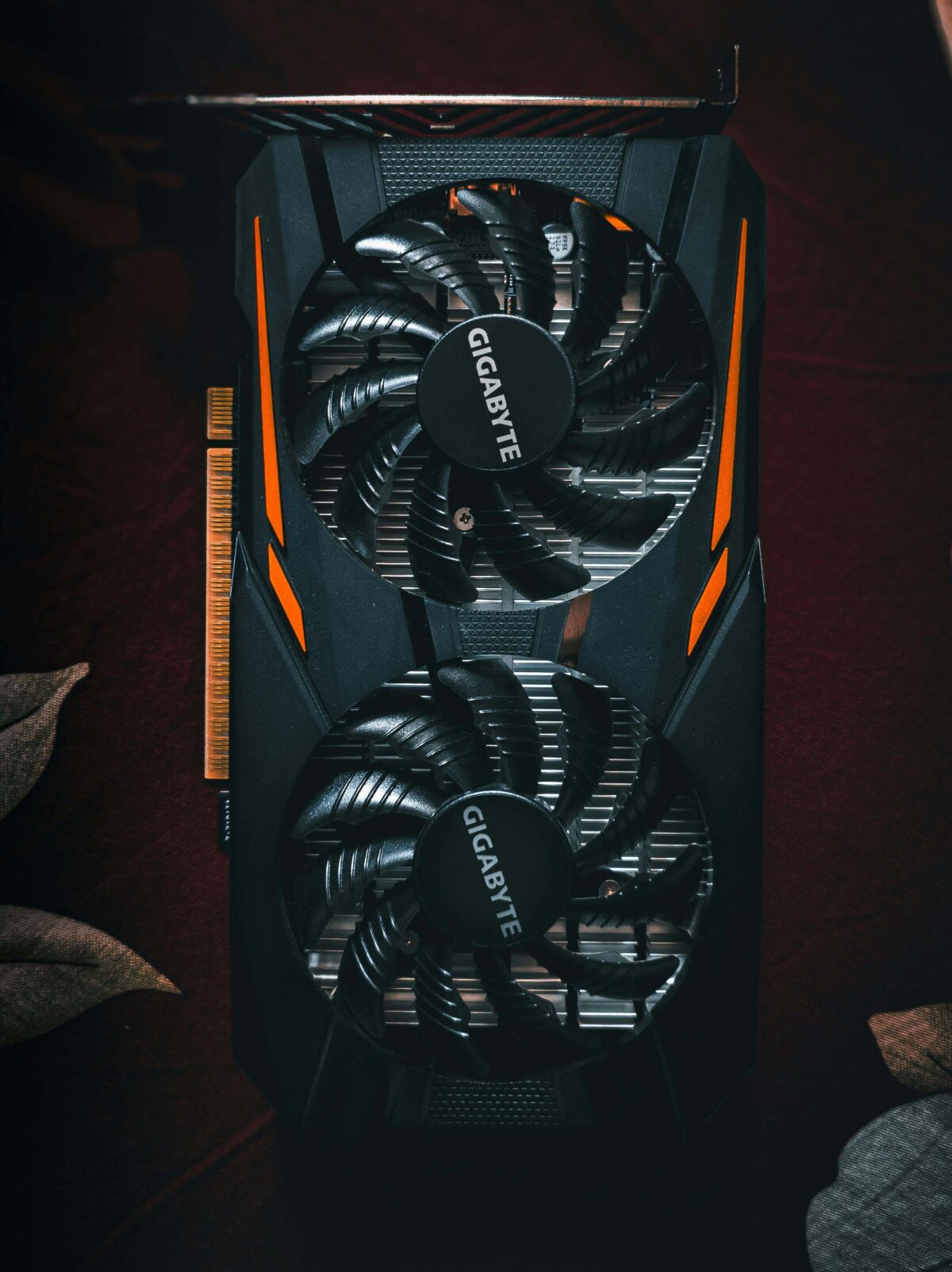
Key Takeaways...
- A graphics card is an expansion card built around a graphics processing unit GPU that delivers high processing power by handling multiple data tasks at once.
- Video memory is separate from random access memory and allows modern GPUs to render high-resolution graphics smoothly without relying on system RAM.
- The PCI Express interface and a stable power supply ensure fast communication and consistent performance across all components.
- Modern GPUs from AMD and NVIDIA support artificial intelligence and machine learning, making them essential for gaming, content creation, and advanced computing.
- A graphics card is a complex expansion card built around a graphics processing unit (GPU) that delivers high processing power. It uses video memory to store graphical data, connects through PCI Express, and relies on a stable power supply and cooling system to operate efficiently.
- Modern GPUs also support artificial intelligence and machine learning, making them essential for both everyday computing and advanced workloads. Understanding what is inside a graphics card allows you to optimise performance and choose the right hardware.
A graphics card is an expansion card that contains a graphics processing unit (often abbreviated GPU), video memory, power delivery components, and a PCI Express interface. It is designed to process multiple data streams and render images, video, and animations efficiently using high processing power.
What Is Inside a Graphics Card? Full Explanation
Understanding what is inside a graphics card is essential for improving performance, upgrading hardware, or building a PC. If you’ve ever wondered “what is inside a graphics card?”, this guide outlines the major parts and how they connect. A graphics card is built as an integrated circuit system that connects to the motherboard through PCI Express and works alongside the CPU and system RAM. This overview also explains how a graphics card works in practice.
Graphics Processing Unit GPU (Core Component)
How the Graphics Processing Unit Works
The graphics processing unit (GPU) is the central component responsible for all rendering and calculations. It is specifically designed to process multiple data operations at the same time, unlike a CPU, which handles sequential tasks.
This ability makes modern graphics processors extremely powerful in handling graphics, artificial intelligence, and machine learning workloads. The architecture includes thousands of small cores that divide tasks efficiently, improving processing power significantly.
Leading manufacturers such as AMD and NVIDIA continue to develop graphics chips with advanced designs. Products like the NVIDIA GeForce series highlight how far graphics technology has evolved. Clock speed also plays a role in performance, as it determines how quickly instructions are processed. However, real-world performance depends on the balance between clock speed, architecture, and cooling efficiency.
Video Memory and High-Speed Data Access
Video Memory vs Random Access Memory
Video memory stores textures, frame buffers, and graphical assets that the graphics processor needs to access instantly. This memory is separate from system RAM, which is used for general computing tasks.
Random access memory supports the operating system and applications, while video memory is dedicated entirely to graphics. This separation ensures smoother performance, especially in high-resolution environments.
Modern graphics cards rely heavily on video memory to manage large datasets. When there is insufficient memory, performance issues such as lag and stuttering occur.
Integrated Circuit and PCB Design
A graphics card is built on a printed circuit board that connects all components into a single expansion card. This integrated circuit design ensures efficient communication between the processor, video memory, and power systems.
The layout is carefully engineered to support high-speed data transfer and maintain stability under heavy workloads. A well-designed PCB improves durability and enhances overall performance.
PCI Express Interface and System Communication
Why PCI Express Is Essential
The PCI Express interface connects the graphics card to the motherboard and allows communication between the graphics processor, CPU, and system RAM.
It provides high bandwidth, ensuring that multiple data streams can be transferred quickly. This is critical for modern processors that handle large amounts of information in real time.
Without PCI Express, the graphics card would not be able to function efficiently within the system.
Power Supply and Energy Distribution
Power Supply Requirements in Modern Graphics Cards
A graphics card requires a stable power supply to handle its processing power demands. While PCI Express provides some energy, high-performance cards require additional connectors linked directly to the system power supply.
Voltage regulation components ensure consistent energy delivery across the card. As these chips become more powerful, their energy requirements increase significantly.
Choosing the correct power supply is essential to avoid instability, crashes, or hardware damage.
Cooling System and Thermal Efficiency
The graphics processor generates heat when processing multiple data tasks. Without proper cooling, performance drops and long-term damage can occur.
Cooling systems use heatsinks, fans, and thermal designs to manage temperature. Efficient cooling allows the chip to maintain a higher clock speed and operate consistently.
Advanced Features in Modern Graphics Cards
Artificial Intelligence and Machine Learning
Modern graphics cards are designed for more than graphics. They now support artificial intelligence and machine learning, making them essential for advanced computing tasks.
These features allow cards to process large datasets, improve image quality, and accelerate complex calculations. Some models include application-specific cores designed for AI workloads.
This evolution has made graphics cards valuable in industries such as data science, video production, and engineering.
How a Graphics Card Works Step by Step
To fully understand what is inside a graphics card, it is important to look at how it operates.
When a program runs, the CPU sends instructions through PCI Express. The graphics processing unit (GPU) processes this information using its cores.
Video memory stores textures and data, allowing fast access. The GPU renders the image and sends it to the display. Throughout this process, the power supply ensures stable energy delivery, while the cooling system manages temperature.
Why Understanding Graphics Card Components Matters
Knowing what is inside a graphics card helps you make better hardware decisions. Each component directly affects performance and reliability.
A powerful graphics processor (GPU) improves speed. Sufficient video memory ensures smooth performance. A stable power supply and efficient cooling system maintain long-term reliability.
Understanding these components also makes it easier to compare solutions from AMD and NVIDIA and select the best option.