What Does A PCB Board Do?

What Does a PCB Board Do?
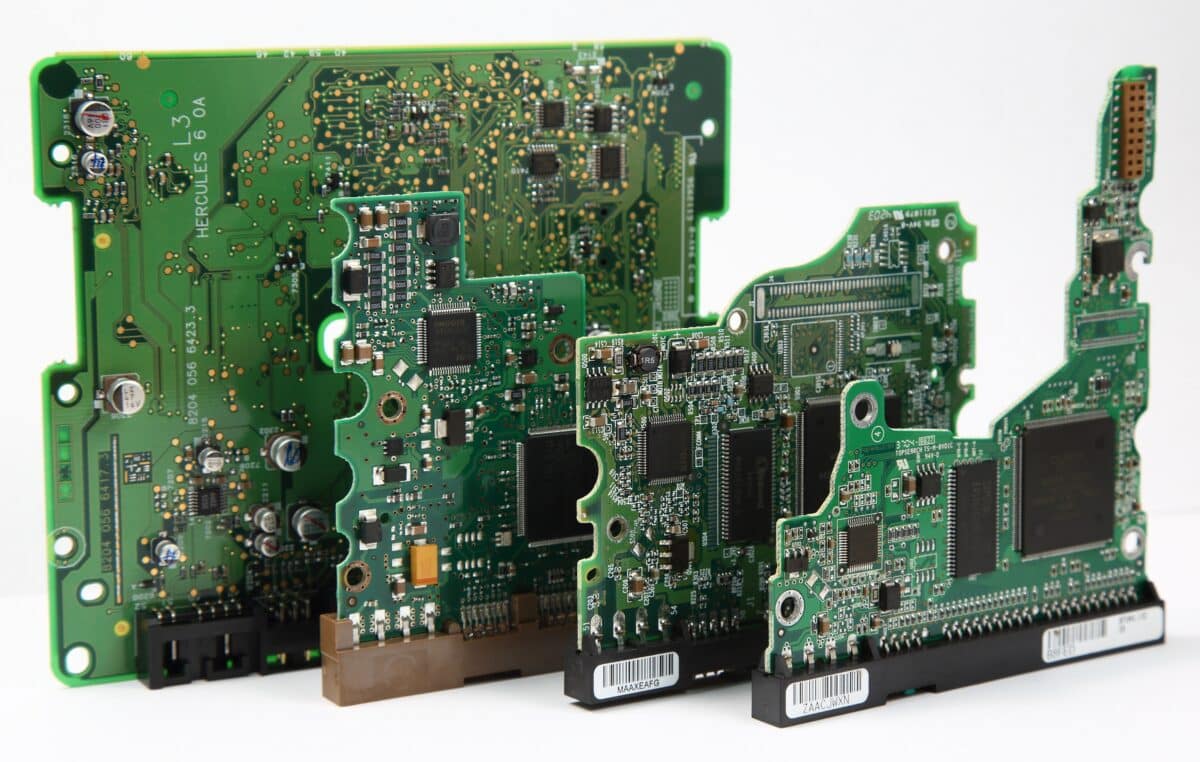
Understanding what a PCB board does is essential in modern electronics because almost every electronic device depends on a printed circuit board (PCB) to function. A PCB board connects electronic components and allows electrical signals to travel through copper traces in a controlled and reliable way. Without it, electronic devices such as phones, laptops, and medical systems would not operate efficiently.
A printed circuit board (PCB) acts as the foundation that supports and connects all electronic components inside a device, making it a core element of consumer electronics and industrial technology systems.
What a PCB Board Does
A PCB board supports electronic components, connects them through conductive copper pathways, and ensures stable electrical performance in electronic devices without the need for complex wiring systems.
What Does a PCB Board Do in Electronic Devices?
A PCB board connects electronic components such as resistors, capacitors, diodes, and integrated circuits (ICs) into a complete working system. These components are mounted onto the board using solder mask protection and precise PCB design techniques to ensure durability and stability.
The conductive copper inside the board forms copper traces that act as pathways for electrical signals. These signals travel between passive components and active parts like integrated circuit chips, allowing the device to process information efficiently.
For a deeper understanding of how this system works in real-world electronics, PCB fundamentals are widely explained in technical references such as a printed circuit board overview.
In modern consumer electronics, this structure is essential because devices require high-speed communication between components in a very small space.
How Printed Circuit Board (PCB) Technology Works
A printed circuit board (PCB) is created by layering conductive copper onto an insulating base material. These copper traces are carefully designed to connect electronic components in a structured layout.
In a single-sided PCB, copper traces exist on only one side of the board, making it suitable for simple electronic devices. A double-sided PCB allows connections on both sides, increasing design flexibility. More advanced systems use multilayer PCBs, where several conductive layers are stacked together to support high-density interconnect designs used in smartphones and advanced computing systems.
In high-performance electronics, surface-mount technology is used to place small components directly onto the board surface, improving efficiency and allowing compact PCB design.
More advanced engineering simulations used in modern industries also analyze how copper traces behave under electrical load, helping improve reliability in high-speed circuits and complex systems.
Why PCB Design Is Important for Modern Electronics
Good PCB design determines how efficiently a device performs. A well-designed board ensures electronic components communicate without interference, especially in high-speed circuits where signal timing is critical.
In medical applications, precision and stability are essential. PCB design ensures that integrated circuits (ICs) and other components operate correctly even under demanding conditions where accuracy matters.
Rigid-flex PCBs are used in compact or moving devices where flexibility and durability are required. This combination of rigid and flexible materials allows electronic devices to function in environments where traditional boards would fail.
Technical discussions from electronics communities often highlight how PCB layouts influence performance, especially in signal-heavy systems.
Types of PCB Boards Used Today
Different PCB structures are used depending on complexity and application. A single-sided board is used in basic electronics, while double-sided and multilayer PCBs are used in advanced systems requiring more connections.
High-density interconnect boards are designed for compact devices where more electronic components must fit into a smaller space. These are widely used in modern consumer electronics and high-performance computing systems.
Each board type relies on conductive copper and carefully arranged PCB design layouts to ensure smooth electrical performance and stability.
Role of Electronic Components in PCB Boards
Every PCB board depends on electronic components working together. Resistors and capacitors regulate current flow, while integrated circuit chips process signals and control device functions.
Passive components support energy storage and regulation, while active components manage amplification and switching. Together, they form a complete system that allows electronic devices to function reliably and efficiently.
Where PCB Boards Are Used
Printed circuit board (PCB) technology is used across almost every modern industry. Consumer electronics such as smartphones, tablets, and laptops depend heavily on multilayer PCBs for compact performance.
Medical applications also rely on precise PCB design to ensure accuracy in diagnostic and monitoring equipment. Industrial systems, automotive electronics, and communication devices all depend on stable copper traces and integrated circuits (ICs) to operate effectively.
So, what does a PCB board do?
A printed circuit board (PCB) connects electronic components using conductive copper traces, supports efficient PCB design, and enables modern electronic devices to operate reliably. From consumer electronics to medical applications, PCB technology remains the foundation of nearly all digital systems.